Key Takeaways:
- Advancements in bonding technologies are enhancing efficiency and sustainability in industrial applications.
- Automation and bio-based adhesives are key trends driving the industry forward.
- Innovations like diffusion bonding and robotic tape systems are revolutionizing manufacturing processes.
Table of Contents:
- Introduction
- Advancements in Diffusion Bonding
- Automation in Bonding Processes
- Bio-Based Adhesives
- Smart Manufacturing Integration
- Conclusion
Introduction
Industrial bonding solutions play a crucial role in today’s manufacturing environments, where strength, speed, and flexibility are vital to success. The ongoing evolution in bonding technology means manufacturers can achieve stronger connections and improved reliability across a range of substrates and applications. Whether in automotive assembly, aerospace, woodworking, or electronics, precision in joining methods directly impacts the quality and performance of the final product. For instance, the rising demand for edgebander glue highlights the growing need for high-performance adhesive solutions in specialized fields such as woodworking, where clean, durable bonds are required to meet quality expectations and operational demands.
Sustainability is also reshaping the adhesive and bonding landscape as manufacturers pursue eco-friendly production and compliance with stringent regulatory standards. The integration of advanced automation, the use of renewable materials in adhesives, and smart process control are key drivers pushing industrial bonding solutions into a new era of efficiency and adaptability. Together, these trends are influencing how manufacturers address challenges in scale, speed, and sustainability, making innovation essential for industry leaders.
Across sectors, the push for efficient, cost-effective bonding methods is matched by rising performance demands. These forces are prompting rapid advancements and the emergence of new technologies tailored to meet modern production requirements.
Advancements in Diffusion Bonding
Diffusion bonding stands out as a high-performance process that uses temperature and pressure without melting the base metals, enabling near-perfect material joining at the atomic level. Recent breakthroughs have dramatically reduced bonding cycle times, particularly for aluminum and its alloys essential materials in lightweight construction for aerospace and electronics. A newly patented approach can cut processing time in half and trim energy use by a third, while yielding more consistent, robust joint quality. These gains are especially valuable as manufacturers look to minimize production costs and environmental footprints.
Automation in Bonding Processes
Automation is transforming bonding operations by replacing manual tasks with precision-driven robotics and AI. Automating processes like tape application and adhesive dispensing helps businesses achieve scalable production, fewer errors, and higher throughput. For a deeper look at how companies are tackling adhesive bonding and automation challenges, see this insightful resource: Design World. These streamlined systems are essential as product designs become more complex and quality standards increase, with automation serving as a backbone for modern high-mix, high-volume environments.
Bio-Based Adhesives
The movement toward bio-based adhesives reflects manufacturers’ growing desire to shrink their environmental footprint and comply with new regulatory requirements. Industry leaders are now offering polyurethane adhesives formulated with over 50% renewable ingredients. These cutting-edge formulations deliver strong, durable bonds for demanding sectors, including automotive, packaging, and consumer goods, while supporting brands’ sustainability commitments. Not only do bio-based adhesives offer safer, less toxic options, but they also meet high standards for bonding thermoplastic elastomers and other modern materials. Advances in these products are discussed by industry reports and environmental studies alike, highlighting their role in facilitating the circular economy.
Smart Manufacturing Integration
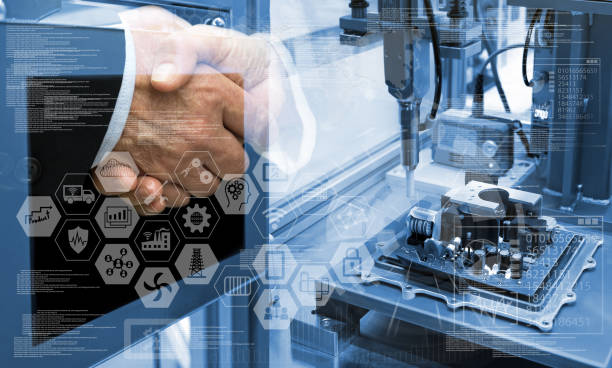
Smart manufacturing brings together the power of data analytics, IoT, and real-time monitoring to build a fully connected production ecosystem. Bonding solutions have become central to this evolution, with automated dispensing and quality assurance tools ensuring adherence to tight process specifications and regulatory requirements. The newest adhesive and tape systems are designed for seamless integration into digital manufacturing lines, enabling continuous monitoring, remote adjustments, and rapid troubleshooting.
Conclusion
The future of manufacturing lies in adopting innovative bonding technologies that balance efficiency, sustainability, and adaptability. Advances in diffusion bonding, the integration of highly automated application systems, and the implementation of bio-based adhesives are all paving the way for a new industrial era. By embracing these solutions and aligning with the principles of smart manufacturing, companies can ensure durable, high-quality products and remain competitive in rapidly evolving markets.