When it comes to selling a home, presentation is everything. A well-staged home helps potential buyers envision themselves living in the space, and the right furniture size is critical in making that vision come to life. Oversized couches or miniature dining tables can make even the best homes feel awkward or cramped. So, what’s the right size for home staging furniture? Here’s a room-by-room home staging guide to help you make smart, space-enhancing choices that attract offers.
Why Furniture Size Matters in Home Staging
Home staging is about showcasing your home’s potential, not necessarily its current setup. Buyers aren’t just looking at style—they’re judging function, flow, and space. The right furniture size:
- Highlights square footage
- Improves traffic flow
- Maximizes perceived space
- Helps buyers see scale and layout possibilities
In short, furniture that’s too big can make rooms feel tight, while furniture that’s too small can make them think sparse or impractical. Striking the right balance is key.
Living Room: Focus on Balance and Flow
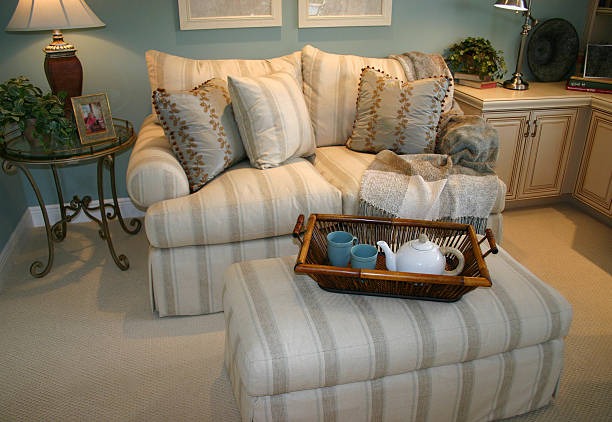
The living room is often the first space buyers see—and the one they remember most. Avoid bulky sectionals or massive coffee tables that crowd the space. Instead:
- Opt for a standard-size sofa (about 84 inches) for average living rooms
- Pair it with a couple of accent chairs rather than a large loveseat.
- Use a coffee table no larger than 2/3 the length of your sofa.
- Leave at least 18 inches of walking space around furniture.
If your living room is small, consider using armless furniture or leggy pieces that appear lighter and take up less visual weight. Avoid placing furniture directly against walls—creating zones and space around furniture can actually make the room feel bigger.
Dining Room: Showcase Function, Not Just Form
The dining room should feel comfortable and spacious, even when “in use.” Avoid seating for 10 unless your space can handle it. For most homes:
- A rectangular table that seats 4–6 people (60–72 inches) fits nicely.
- Use slim, armless chairs to avoid overcrowding.
- Allow at least 36 inches of clearance on all sides of the table for easy movement.
Round tables are excellent for smaller rooms or open-concept layouts, as they can soften sharp lines and increase walkability. Just make sure they don’t overpower the space.
Bedrooms: Right-Size the Bed and Keep It Simple
The bed is the focal point of any bedroom, but staging isn’t about luxury—it’s about practicality and space. Here’s a quick guide:
- In primary bedrooms, a queen-size bed (60″x80″) is usually ideal unless the room supports a king without feeling tight
- A full-size bed (54″x75″) makes more sense for guest or secondary bedrooms.
- Use minimal furniture—a bed, one or two nightstands, and a small dresser.
- Leave at least 24–30 inches of walkway around the bed.
Skip bulky headboards or storage beds, and avoid extra seating or desks unless the room’s size warrants it.
Home Office or Flex Room: Scale for the Task
If you’re staging a flex space as a home office (a big selling point in today’s market), keep it light and purposeful:
- Use a writing desk or small workstation, no more than 48 inches wide.
- Add a simple chair and minimal accessories.
- Include a bookshelf or plant to suggest functionality without clutter.
Avoid large executive desks or oversized bookcases that can cramp the space. The goal is to show buyers that the space is functional, not fully packed.
Bonus Tips for Choosing the Right Furniture Size
- Measure the room before selecting any staging items.
- Use graph paper or digital room planners to map out ideal furniture arrangements.
- Follow the “less is more” rule—a few well-sized, stylish pieces are better than over-furnishing.
- Choose light-colored or neutral furniture to open the space visually.
- Incorporate mirrors and rugs to define zones and enhance scale without adding bulk.
Conclusion: Size Matters in Home Staging
Getting the size right on your staging furniture isn’t just about aesthetics—it’s about helping buyers see the full value of your home. Whether you’re working with a compact condo or a spacious suburban property, the right-sized pieces make rooms feel larger, layouts feel logical, and homes feel move-in ready.
If you’re overwhelmed with options, start with a trusted home staging guide or consult a local expert who can tailor furniture scale to your floor plan. In today’s competitive real estate market, brilliant staging can differentiate between a quick sale and a stale listing.