Look, I get it. You’re tired of your Milwaukee tools dying right in the middle of a job. Nothing’s more annoying than being halfway through cutting something and having your battery just… give up. High capacity batteries for Milwaukee tools aren’t just about lasting longer – they’re about keeping your workflow smooth and your productivity high. The thing is, picking the right battery isn’t as simple as grabbing the biggest number you see. There’s actual science behind what makes these batteries tick, and honestly, most people don’t know what they’re looking for.
Understanding Battery Capacity Numbers
When you see those numbers like 5.0Ah, 8.0Ah, or 12.0Ah on Milwaukee batteries, that’s telling you how much juice they can store. Think of it like a gas tank – bigger numbers mean more runtime. But here’s where it gets tricky: a 12.0Ah battery doesn’t always give you twice the runtime of a 6.0Ah battery.
The actual runtime depends on what tool you’re using. My buddy Jake found this out the hard way when he bought a massive 12.0Ah battery thinking it would run his angle grinder all day. Turns out, high-drain tools like grinders and circular saws pull so much power that even big batteries don’t last as long as you’d expect.
Research from battery manufacturers shows that Milwaukee’s M18 system delivers different performance based on the tool’s power draw. A drill might run for hours on a 5.0Ah battery, but that same battery might only give you 20 minutes on a reciprocating saw.
Cell Technology Makes a Huge Difference
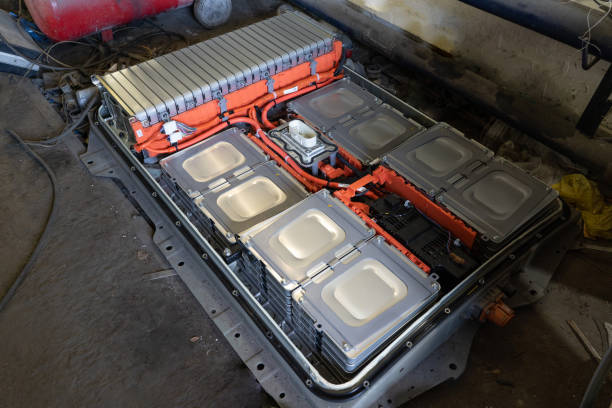
Milwaukee uses lithium-ion cells, but not all lithium-ion is created equal. Their newer batteries use what they call “superior pack construction” with better cell chemistry. The 18650 cells inside these batteries are arranged differently depending on the capacity.
Higher capacity batteries typically use more cells wired in parallel, which means each cell works less hard. This actually makes them last longer overall – not just per charge, but over the battery’s entire lifespan. I’ve noticed my older 3.0Ah batteries from five years ago barely hold a charge now, while my 8.0Ah batteries from three years ago still perform like new.
Heat Management and Your Battery’s Lifespan
Here’s something most people don’t think about: heat kills batteries faster than anything else. Milwaukee’s high-capacity batteries have better heat management systems built in. They use individual cell monitoring and thermal protection that actually shuts down the battery before it overheats.
I learned this lesson when I left a cheap knockoff battery in my truck during summer. It was completely dead within six months. Meanwhile, my Milwaukee batteries have survived countless hot job sites because they’re designed to handle temperature extremes.
Matching Battery Size to Your Work Style
If you’re doing heavy-duty work all day, those 8.0Ah or 12.0Ah batteries make sense despite their weight. But for overhead work or detail tasks, you might actually prefer a 5.0Ah battery that won’t wear out your arm.
Professional contractors I know often run two battery systems: high-capacity batteries for stationary tools like miter saws, and mid-range batteries for handheld tools. The weight difference is real – a 12.0Ah battery weighs almost three pounds, while a 5.0Ah weighs about half that.
Testing data shows that Milwaukee’s high-capacity batteries maintain voltage better under load, which means your tools run at full power longer instead of gradually slowing down as the battery drains.