Driving isn’t just about operating a vehicle; it’s an exhilarating adventure waiting to unfold. This guide is designed to give you the tools and knowledge you need to become a confident, skilled driver who can navigate the open roads with ease and safety. As you go through this guide, you’ll learn more about the intricacies of your vehicle, key road safety practices, and the fascinating science behind driving.
Section 1: Getting to Know Your Vehicle
To become a truly proficient driver, it’s essential to develop a deep understanding of your vehicle. Let’s take a closer look at what you need to know about your vehicle:
Discovering Your Car’s Cool Features
Modern vehicles come equipped with a myriad of features designed to enhance safety, comfort, and performance. Familiarize yourself with:
- Dashboard controls and warning lights
- Advanced driver assistance systems (ADAS) like lane departure warnings and adaptive cruise control
- Infotainment systems and their safe operation while driving
- Safety features such as airbags and anti-lock braking systems (ABS)
Take the time to read your vehicle’s manual thoroughly. Many drivers overlook this valuable resource, but it contains essential information about your car’s specific features and how to use them effectively.
Everyday Car Care Tips
Regular maintenance is crucial for keeping your vehicle in top condition and ensuring your safety on the road. Here are some basic maintenance tasks every driver should be familiar with:
- Checking and changing oil
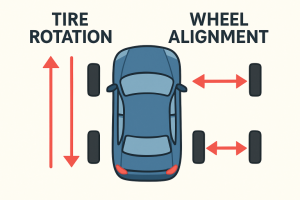
- Monitoring tire pressure and tread depth
- Replacing windshield wipers
- Checking and replacing fluids (coolant, brake fluid, power steering fluid)
- Understanding when to schedule professional maintenance
By staying on top of these tasks, you’ll not only extend the life of your vehicle but also reduce the risk of unexpected breakdowns or accidents caused by mechanical failures.
How Knowing Your Vehicle Boosts Safety
A thorough understanding of your vehicle directly translates to safer driving. When you’re familiar with your car’s capabilities and limitations, you can make better decisions on the road. For instance:
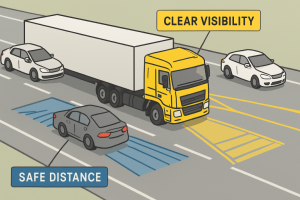
- Knowing your vehicle’s stopping distance helps you maintain a safe following distance
- Understanding how your car handles in different weather conditions allows you to adjust your driving accordingly
- Being aware of your vehicle’s blind spots enables you to position yourself safely in traffic
Moreover, when you’re comfortable with your vehicle’s controls, you can react more quickly and effectively in emergency situations. This knowledge and preparedness can make all the difference in preventing accidents.
For those looking to deepen their understanding of vehicle operation and maintenance, consider taking driving lessons from a professional instructor. These experts can provide valuable insights and hands-on experience that go beyond what you might learn from a manual or online resources.
Section 2: Keeping Safe on the Road
Road safety is paramount for every driver, regardless of experience level. Let’s go over some key safety tips that every driver should keep in mind and follow:
Road Safety: It’s Easier Than You Think
- Always wear your seatbelt and ensure all passengers do the same
- Maintain a safe following distance (use the 3-second rule)
- Obey speed limits and adjust your speed according to road conditions
- Never drive under the influence of alcohol or drugs
- Avoid distractions, especially mobile phone use while driving
- Use turn signals when changing lanes or turning
- Regularly check your mirrors and be aware of your surroundings
- Take breaks during long drives to combat fatigue
Your Driving Instructor: Your Safety Guru
Professional driving instructors play a crucial role in shaping safe drivers. They not only teach the mechanics of operating a vehicle but also instill a safety-first mindset in their students. A recent BBC article highlights that the shortage of driving instructors is contributing to test delays, emphasizing their importance in the driver education system.
Driving instructors provide:
- Hands-on experience in various driving conditions
- Guidance on proper defensive driving techniques
- Insights into local traffic laws and regulations
- Feedback on areas for improvement in a student’s driving
If you’re looking to enhance your driving skills or prepare for your driving test, consider booking a driving lesson with a certified instructor. Their expertise can be invaluable in developing safe driving habits that will serve you well throughout your driving career.
Community Engagement in Road Safety
Road safety is a collective responsibility. As a driver, you’re part of a larger community of road users, and your actions can influence others. Here are some ways you can contribute to road safety beyond your personal driving habits:
- Share road safety tips with friends and family, especially new drivers
- Report unsafe road conditions to local authorities
- Participate in community road safety initiatives or campaigns
- Be a courteous driver and set a positive example for others
We encourage readers to share their own safety tips in the comments section below. Your experiences and insights could help fellow drivers and contribute to safer roads for everyone.
Section 3: The Magic of Driving Unveiled
Understanding the science behind driving can really help you improve your skills and make better decisions on the road. By grasping the fundamental principles of physics that govern vehicle motion and interaction with the environment, you can become a more informed and capable driver.
The Magic of How Cars Move
At its core, driving involves the application of several key physics concepts:
- Friction: The force that allows tires to grip the road, enabling acceleration, braking, and turning
- Momentum: The product of a vehicle’s mass and velocity, which affects stopping distance and impact force in collisions
- Centripetal force: The force that keeps a vehicle moving in a curved path during turns
- Energy transformation: The conversion of chemical energy (fuel) into kinetic energy (motion) and heat
Understanding these principles can help you anticipate how your vehicle will behave in different situations and make more informed driving decisions.
Weather Woes: Driving in Rain and Snow
Weather plays a significant role in driving dynamics, and understanding how different conditions affect your vehicle is crucial for safe driving. A recent announcement by the Idaho Transportation Department and Idaho State Police highlights the importance of winter driving classes to help drivers navigate challenging conditions.
Key factors to consider in winter driving include:
- Reduced friction: Ice and snow decrease tire grip, affecting acceleration, braking, and steering
- Increased stopping distance: Due to reduced friction, vehicles require longer distances to come to a complete stop
- Visibility challenges: Snow, fog, and shorter daylight hours can significantly reduce visibility
- Temperature effects on vehicle components: Cold temperatures can affect battery performance, tire pressure, and fluid viscosity
Understanding these factors allows drivers to adjust their techniques accordingly, such as increasing following distances, using gentle acceleration and braking, and ensuring proper winter maintenance of their vehicles.
Using Magic to Boost Your Driving Skills
By understanding the science behind driving, you can:
- Anticipate potential hazards more effectively
- Make more informed decisions about speed and following distances
- Understand the limitations of your vehicle in various conditions
- Respond more appropriately to unexpected situations on the road
For those interested in delving deeper into the science of driving and honing their skills, consider enrolling in a driving school that offers advanced courses. These programs often cover the physics of driving in detail and provide practical exercises to apply this knowledge on the road.
Wrapping Up: You’re Ready to Rule the Road
With this knowledge in hand, you’re now better equipped to rule the open road with confidence and skill. Remember:
- Understanding your vehicle’s features and maintenance needs is crucial for safe and confident driving
- Adhering to essential road safety tips and being an engaged member of the driving community contributes to safer roads for all
- Grasping the science behind driving, including physics principles and weather effects, enhances your decision-making and adaptability on the road
We encourage you to apply what you’ve learned here and seek out opportunities to further enhance your driving abilities. For those looking to take their skills to the next level, consider signing up for advanced driving lessons or specialized courses. These can provide valuable hands-on experience and expert guidance to refine your techniques and deepen your understanding of the art of driving.
The road ahead is full of possibilities. Embrace the journey, stay safe, and enjoy the freedom that comes with being a skilled and confident driver. Happy driving!